
Introduction
As global demand for reliable cold chain logistics continues to grow, packaging buyers are looking beyond traditional corrugated materials to find solutions that perform better in humid and refrigerated environments. Products such as seafood, frozen meat, fresh produce, and dairy are frequently exposed to condensation, melting ice, and low temperatures during storage and transportation. Under these conditions, packaging strength and moisture resistance become critical factors.
A stone paper corrugated box has become an increasingly discussed alternative for these applications. Made primarily from calcium carbonate (limestone powder) combined with a recyclable polymer binder, this material offers different performance characteristics from conventional corrugated paper. However, many buyers still have questions before deciding whether it is the right choice.
This guide answers the 10 most common questions buyers ask before ordering stone paper corrugated boxes, helping procurement managers, importers, distributors, and food exporters make informed decisions based on practical requirements and verified industry information.
1. What Is a Stone Paper Corrugated Box?
A stone paper corrugated box is a corrugated packaging solution manufactured from mineral-filled sheets rather than traditional wood-pulp paper. The material typically consists of a high percentage of calcium carbonate (CaCO₃) mixed with a recyclable polymer such as HDPE or PP, depending on the manufacturing process.
Like conventional corrugated boxes, it uses a fluted structure to provide rigidity and stacking strength. The main difference lies in the surface material, which absorbs far less moisture than cellulose-based paper.
Typical applications include:
- Seafood packaging
- Frozen food packaging
- Fruit and vegetable packaging
- Cold chain logistics
- Moisture-sensitive industrial products
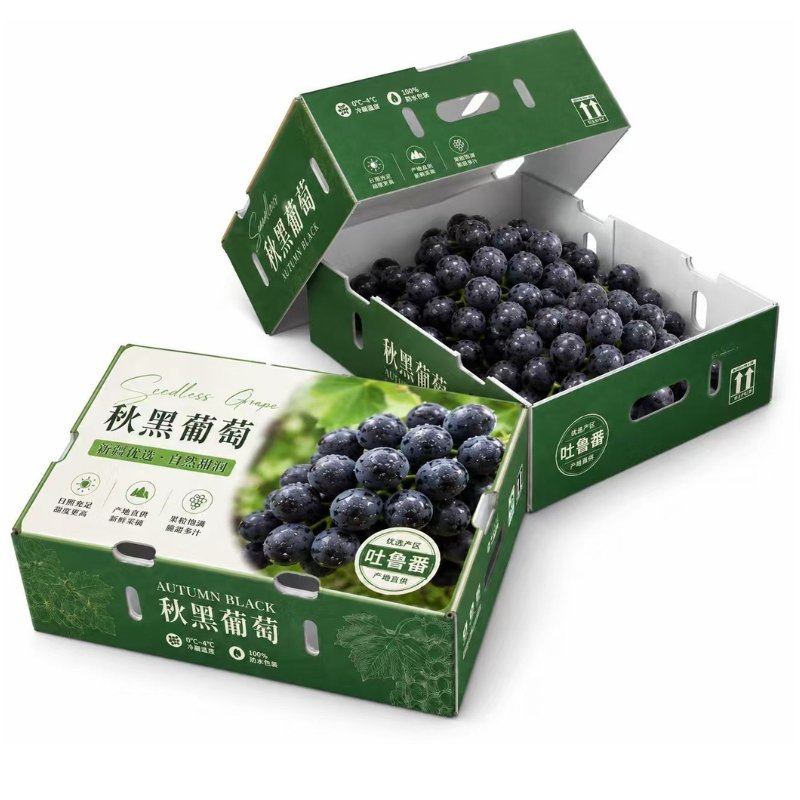
2. Why Are More Cold Chain Companies Interested in Stone Paper Packaging?
Cold chain packaging is exposed to conditions that standard packaging may not encounter in dry logistics.
These include:
- Condensation inside refrigerated containers
- Meltwater from ice-packed seafood
- High-humidity storage
- Repeated temperature changes
- Long-distance export transportation
Traditional corrugated paper can gradually lose compression strength as it absorbs moisture. Stone paper corrugated boxes are designed to reduce water absorption, helping maintain structural stability throughout refrigerated transportation.
For exporters shipping seafood, shellfish, salmon, frozen meat, or fresh produce, improved moisture resistance may help reduce packaging failures during handling and stacking.
3. Is a Stone Paper Corrugated Box Waterproof?
One of the most frequently asked questions is whether a stone paper corrugated box is waterproof.
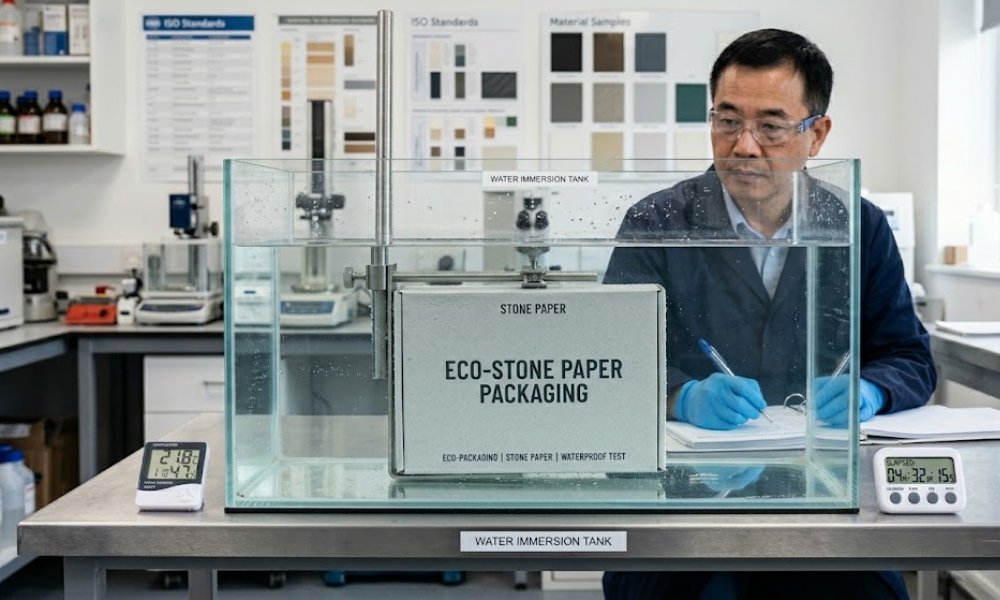
The answer is that stone paper is highly water-resistant because its mineral-based surface absorbs very little moisture compared with conventional paper fibers. Water generally remains on the surface instead of penetrating into the material.
However, buyers should understand that packaging performance depends on more than the material itself. Box structure, board thickness, manufacturing quality, loading methods, and transportation conditions all influence real-world performance.
For this reason, packaging suppliers should provide appropriate performance testing or application recommendations based on the intended use.
4. Can Stone Paper Corrugated Boxes Replace Corrugated Paper Boxes?
Not in every application.
Traditional corrugated paper boxes remain an excellent choice for dry products, e-commerce shipments, consumer goods, and many general transport applications because they are economical and supported by mature paper recycling systems.
Stone paper corrugated boxes are generally better suited for environments where moisture resistance is particularly important, such as:
- Seafood exports
- Frozen foods
- Fresh agricultural products
- Refrigerated distribution
- Wet processing facilities
Instead of replacing conventional packaging entirely, stone paper expands the range of available packaging solutions for demanding logistics environments.
5. Are Stone Paper Corrugated Boxes Recyclable?
Yes—but buyers should understand how recycling works.
Unlike traditional corrugated paper, stone paper contains mineral fillers combined with recyclable polymers. As a result, it typically follows plastic or composite recycling systems rather than paper recycling streams.
Recycling availability depends on local infrastructure and regulations. Businesses should consult their local waste management providers before selecting any packaging material.
From a sustainability perspective, evaluating the entire packaging life cycle—including durability, product protection, transportation efficiency, and end-of-life management—is often more meaningful than comparing raw materials alone.
6. Are Stone Paper Corrugated Boxes Food Safe?
Food safety is another common concern, particularly for exporters supplying international markets.
Packaging intended for direct or indirect food contact should comply with the applicable regulations of the destination market. Requirements vary by country and product type.
Buyers should always request supporting documentation from the manufacturer, such as:
- Food-contact compliance declarations (where applicable)
- Material safety documentation
- Product specifications
- Third-party testing reports if required
Choosing a supplier with established quality control procedures helps ensure consistent product performance.


7. Do Stone Paper Boxes Perform Well in Cold Storage?
Yes. Stone paper corrugated boxes are commonly selected for refrigerated and frozen logistics because they maintain low water absorption under humid conditions.
This characteristic can help preserve stacking performance when boxes are exposed to condensation or melting ice during transportation.
However, buyers should still select the correct board grade and box design according to product weight, stacking height, and shipping distance.
8. Can Stone Paper Corrugated Boxes Be Custom Printed?
Yes.
Most manufacturers offer OEM and custom printing services, including:
- Offset printing
- Flexographic printing
- Brand logos
- Product information
- QR codes
- Export markings
Because the material surface is smooth, it can produce sharp graphics and high-quality print results suitable for premium food packaging and retail presentation.
9. What Information Should Buyers Provide Before Ordering?
To receive an accurate quotation and packaging recommendation, buyers should prepare the following information:
- Internal box dimensions
- Product type
- Product weight
- Operating temperature
- Export destination
- Printing requirements
- Estimated annual quantity
- Preferred box style
- Pallet or container loading requirements
Providing complete technical information helps suppliers recommend the most appropriate packaging solution rather than simply quoting the lowest price.
10. How Do You Choose a Reliable Stone Paper Corrugated Box Supplier?
Selecting the right supplier is just as important as choosing the right material.
A reliable supplier should be able to provide:
- Manufacturing experience
- Stable production capacity
- Quality inspection procedures
- Custom packaging capabilities
- Export experience
- Technical support
- Performance testing information
- Consistent delivery schedules
Instead of focusing only on price, buyers should evaluate long-term reliability, product consistency, communication efficiency, and after-sales service.
Conclusion
Stone paper corrugated boxes are not intended to replace every corrugated paper box. Instead, they provide an additional packaging option for industries where moisture resistance, cold chain performance, and durability are particularly important.
For seafood exporters, frozen food manufacturers, fresh produce growers, and cold chain logistics providers, understanding material characteristics before purchasing helps reduce packaging risks and improve transportation efficiency.
The best packaging solution is ultimately the one that matches your product, logistics environment, regulatory requirements, and sustainability objectives. Working with an experienced manufacturer and validating packaging performance through practical testing can help ensure reliable results throughout the supply chain.
