
Introduction
For decades, the foam box has been a common packaging solution for seafood, fresh produce, and cold-chain transportation. Its lightweight structure and thermal insulation properties have made it popular among exporters and distributors worldwide.
However, changing logistics requirements, branding expectations, and sustainability goals have encouraged many businesses to explore alternative packaging materials. One option receiving increasing attention is the stone paper box, a durable and water-resistant packaging solution made from calcium carbonate-based materials.
At the same time, some industries are also adopting the corrugated plastic box as a reusable packaging alternative.
So, which packaging solution is better? The answer depends on your products, transportation conditions, and business priorities.
This article compares the stone paper box, foam box, and corrugated plastic box across key performance categories to help buyers make informed decisions.
What Is a Foam Box?
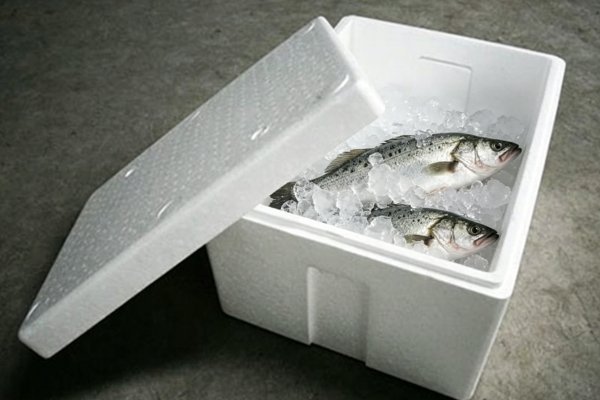
A foam box is typically manufactured from Expanded Polystyrene (EPS), a lightweight cellular plastic material widely used for insulation and protective packaging.
Foam boxes are commonly used for:
- Seafood transportation
- Frozen food distribution
- Fresh produce shipments
- Temperature-sensitive products
Their popularity comes largely from their insulation performance and low manufacturing cost.
What Is a Stone Paper Box?
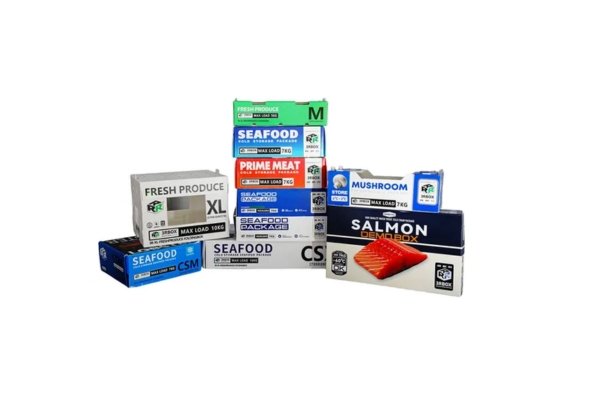
A stone paper box is produced from a mineral-based material that primarily contains calcium carbonate combined with polymer resin.
Unlike traditional cardboard packaging, a stone paper box is designed to resist moisture while maintaining structural strength during transportation.
Common applications include:
- Seafood packaging
- Fruit packaging
- Agricultural exports
- Cold-chain logistics
- Industrial packaging
Because of its waterproof surface and excellent printability, the stone paper box is increasingly being used by exporters seeking durable and professional-looking packaging.
What Is a Corrugated Plastic Box?
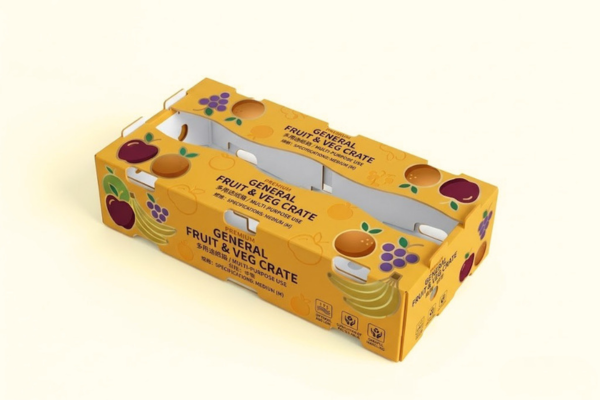
A corrugated plastic box is manufactured from twin-wall polypropylene sheets featuring a fluted internal structure.
Compared with a foam box, a corrugated plastic box typically offers:
- Higher durability
- Better reusability
- Greater impact resistance
- Improved stacking strength
It is often used in returnable transit packaging systems and industrial logistics operations.
Stone Paper Box vs Foam Box: Key Differences
| Feature | Stone Paper Box | Foam Box | Corrugated Plastic Box |
|---|---|---|---|
| Water Resistance | Excellent | Excellent | Excellent |
| Insulation | Moderate | Excellent | Moderate |
| Compression Strength | High | Moderate | High |
| Reusability | High | Limited | Very High |
| Print Quality | Excellent | Limited | Good |
| Appearance | Premium | Basic | Industrial |
| Stackability | High | Moderate | High |
| Branding Potential | Excellent | Low | Moderate |
| Cold Chain Use | Excellent | Excellent | Excellent |
Comparison 1: Moisture Resistance
One reason seafood exporters use foam boxes is their ability to handle wet conditions.
However, a stone paper box also performs well in environments where condensation, melting ice, and humidity are present.
Similarly, a corrugated plastic box provides excellent moisture resistance due to its polypropylene construction.
For businesses requiring waterproof packaging, all three options can perform effectively when properly designed.
Comparison 2: Compression Strength
Packaging strength becomes increasingly important during palletization and container shipping.
A foam box may crack or deform under heavy stacking pressure, particularly during long-distance transportation.
A stone paper box generally provides stronger structural performance and better resistance to deformation.
A corrugated plastic box also offers excellent stacking strength and is frequently used in industrial supply chains where repeated handling occurs.
For exporters shipping seafood or fresh produce internationally, stronger packaging can help reduce product damage throughout the logistics process.
Comparison 3: Thermal Insulation
This is where the foam box maintains a clear advantage.
The cellular structure of EPS creates air pockets that slow heat transfer, making foam boxes highly effective for temperature-sensitive products.
A stone paper box is not designed primarily as an insulation material.
However, many exporters combine stone paper packaging with:
- Ice packs
- Gel packs
- Thermal liners
to achieve the desired cold-chain performance.
The same approach is commonly used with corrugated plastic box systems.
Comparison 4: Branding and Printing
Modern exporters increasingly view packaging as part of their marketing strategy.
A foam box typically supports only limited branding options.
In contrast, a stone paper box offers:
- High-resolution printing
- Full-color graphics
- Premium packaging appearance
- Better shelf presentation
For companies exporting seafood, citrus, grapes, blueberries, or other fresh produce, packaging often serves as an extension of brand identity.
This is one reason why many premium exporters are transitioning from foam packaging to stone paper packaging.
Comparison 5: Reusability
Reusability can significantly influence long-term packaging costs.
Most foam boxes are designed for limited-use applications.
A stone paper box can often withstand multiple handling cycles when properly used.
A corrugated plastic box generally provides the highest level of reusability and is frequently integrated into closed-loop logistics systems.
Businesses seeking returnable packaging solutions often evaluate corrugated plastic packaging alongside stone paper alternatives.
Comparison 6: Sustainability Considerations
Packaging sustainability is becoming increasingly important across global supply chains.
According to the United Nations Environment Programme (UNEP), businesses worldwide are exploring ways to reduce packaging waste and improve resource efficiency.
While EPS foam can technically be recycled, recycling infrastructure varies significantly by region.
A stone paper box may help support sustainability goals through:
- Long service life
- Reusability
- Reduced packaging replacement frequency
Similarly, a corrugated plastic box can remain in circulation for many transportation cycles, helping reduce single-use packaging consumption.
Which Packaging Solution Is Best for Seafood Export?
The answer depends on operational requirements.
Foam Box May Be Suitable When:
- Maximum insulation is required
- Transportation distances are short
- Branding is not a priority
Stone Paper Box May Be Suitable When:
- Waterproof performance is required
- Packaging appearance matters
- Export branding is important
- Strong stacking performance is needed
Corrugated Plastic Box May Be Suitable When:
- Reusable packaging is preferred
- Closed-loop logistics systems exist
- High durability is required
Why More Exporters Are Exploring Stone Paper Packaging
Many seafood processors and fresh produce exporters are looking for packaging that combines:
- Water resistance
- Structural strength
- Professional branding
- Export durability
At 3RBOX, stone paper packaging solutions are developed specifically for seafood exporters, fruit producers, and cold-chain logistics companies that need reliable packaging performance throughout transportation and storage.
Final Verdict
There is no universal packaging solution for every application.
A foam box remains an effective option when insulation is the primary concern.
A corrugated plastic box excels in reusable logistics environments.
However, for businesses seeking a balance of waterproof performance, stacking strength, durability, and premium branding opportunities, the stone paper box offers a compelling packaging solution for modern seafood and fresh produce supply chains.
The best choice ultimately depends on your products, transportation conditions, customer expectations, and long-term packaging objectives.
