
Introduction
As global industries search for more sustainable packaging solutions, alternative materials are gaining attention beyond traditional paper and plastic. One material increasingly used in cold-chain logistics, seafood transportation, and fresh-produce packaging is stone paper.
Made primarily from calcium carbonate and polymer resin, stone paper combines the durability of plastic with some of the resource-saving characteristics associated with paper alternatives. Its waterproof performance, tear resistance, and reduced reliance on wood pulp have made it an increasingly popular choice for businesses seeking innovative packaging solutions.
This guide explains what stone paper packaging is, how it is manufactured, where it is used, and what businesses should know about its environmental impact.
What Is Stone Paper Packaging?
Stone paper packaging refers to packaging products manufactured from stone paper, a material composed mainly of calcium carbonate (CaCO₃) and a small percentage of polymer resin.
Calcium carbonate is one of the most abundant minerals on Earth and is commonly found in limestone, marble, and chalk deposits. During manufacturing, finely ground calcium carbonate is blended with resin to create sheets that can be converted into packaging materials.
Unlike conventional paper products, stone paper does not rely on wood pulp as its primary raw material.
As a result, many companies view stone paper packaging as an alternative to reduce dependence on forest-based fiber resources.
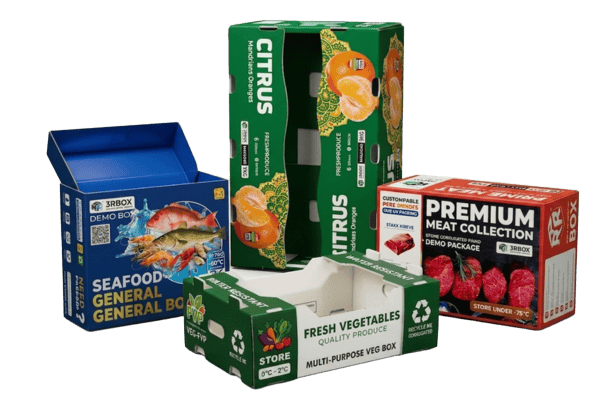
What Materials Are Used in Stone Paper Packaging?
The composition of stone paper varies by manufacturer and application, but most products contain:
- 60%–80% calcium carbonate
- 20%–40% polymer resin (typically HDPE)
The calcium carbonate provides rigidity and dimensional stability, while the resin acts as a binder that gives the material flexibility and durability.
This combination creates packaging that is:
- Waterproof
- Tear-resistant
- Durable during transportation
- Suitable for humid environments
- Resistant to low-temperature storage conditions
These properties make stone paper packaging particularly useful in demanding logistics environments.
How Is Stone Paper Packaging Manufactured?
The manufacturing process differs significantly from traditional papermaking.
Traditional paper production generally involves:
- Harvesting wood fibers
- Pulping
- Washing
- Bleaching
- Drying
Stone paper production eliminates several of these stages because the primary raw material is mineral-based rather than fiber-based.
The general process includes:
Step 1: Calcium Carbonate Grinding
Natural limestone is processed into fine calcium carbonate powder.
Step 2: Material Blending
The mineral powder is mixed with polymer resin.
Step 3: Extrusion and Sheet Formation
The blended material is heated and formed into sheets.
Step 4: Printing and Conversion
The sheets are converted into:
- Stone paper boxes
- Seafood packaging boxes
- Fruit packaging boxes
- Cold-chain transport packaging
- Waterproof shipping containers
The resulting material offers a smooth printing surface while maintaining structural integrity in wet environments.
For full production details, please click here
Key Benefits of Stone Paper Packaging
Reduced Dependence on Wood Pulp
One of the primary advantages of stone paper packaging is that it does not require virgin wood pulp as its main ingredient.
According to the Food and Agriculture Organization (FAO), forests provide essential environmental services, including carbon storage, biodiversity protection, and watershed management.
Reducing demand for forest-derived fiber can support broader resource conservation goals.
Excellent Water Resistance
Water exposure remains one of the biggest challenges in packaging logistics.
Traditional corrugated boxes can absorb moisture, weaken structurally, and fail during transportation.
Stone paper packaging naturally resists water penetration without requiring many of the coatings or treatments commonly applied to conventional paper packaging.
This characteristic is particularly valuable for:
- Seafood exports
- Frozen foods
- Fresh produce logistics
- Refrigerated transportation
Enhanced Durability
Durability directly influences sustainability.
Packaging failures can result in:
- Product damage
- Food waste
- Additional replacement materials
- Increased transportation costs
Because stone paper packaging resists tearing and moisture damage, it can provide more reliable protection throughout the supply chain.
High-Quality Printing Performance
The smooth surface of stone paper allows for high-resolution printing.
For brands seeking premium packaging, this can support:
- Product branding
- Custom graphics
- Retail presentation
- Export packaging identification
As a result, stone paper packaging is often used for both industrial and consumer-facing applications.
Common Applications of Stone Paper Packaging
Seafood Packaging
Seafood transportation creates one of the most demanding packaging environments.
Boxes are regularly exposed to:
- Ice
- Saltwater
- Condensation
- Refrigeration
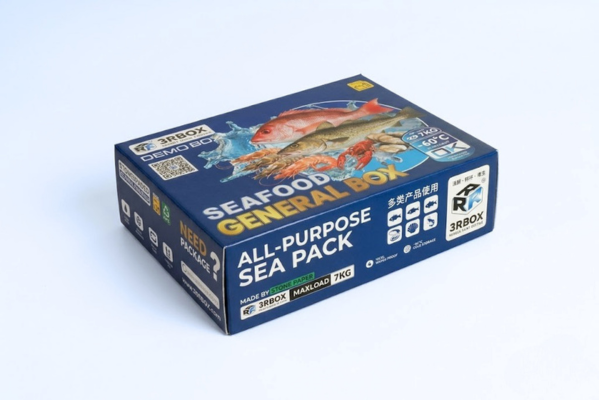
A stone paper seafood packaging box can maintain strength in conditions that often weaken ordinary corrugated packaging.
This makes it suitable for:
- Salmon packaging
- Tuna packaging
- Shrimp packaging
- Crab packaging
- Frozen seafood exports
Fruit Packaging
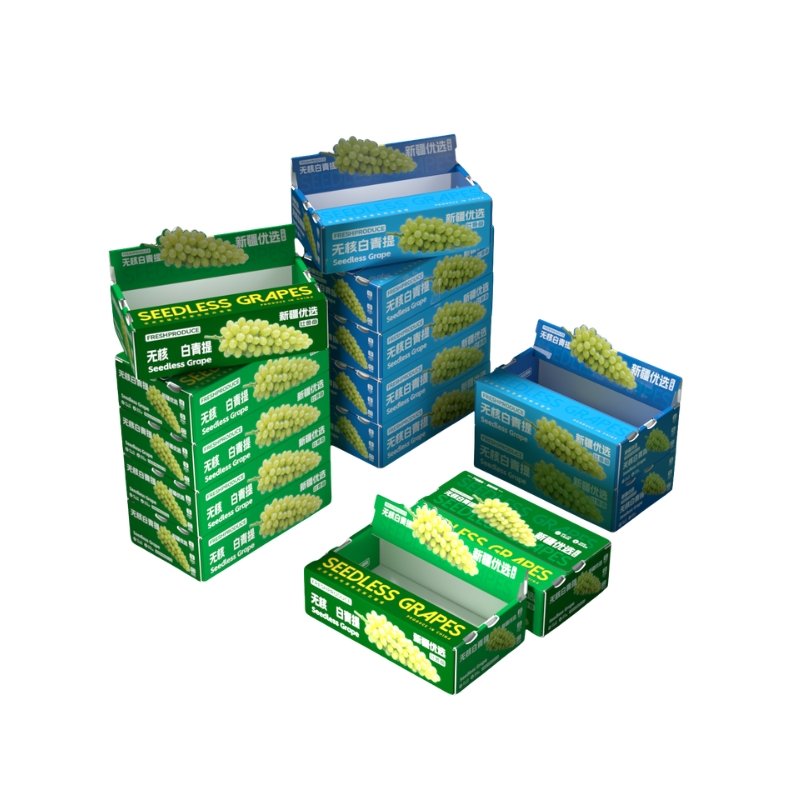
Fresh produce logistics requires packaging that can withstand humidity fluctuations and long transportation distances.
Common applications include:
- Citrus packaging boxes
- Lychee packaging boxes
- Grape packaging boxes
- Blueberry packaging boxes
- Kiwifruit packaging boxes
Because stone paper packaging remains stable in moist environments, it can help maintain packaging performance during export transportation.
Cold Chain Packaging
Cold-chain logistics places significant stress on packaging materials due to temperature changes and condensation.
Stone paper packaging is frequently selected for:
- Refrigerated transportation
- Frozen food distribution
- Export logistics
- Fresh food supply chains
Its waterproof nature helps maintain box integrity throughout transportation and storage.
Environmental Impact of Stone Paper Packaging
Environmental Advantages
Several characteristics contribute to the environmental profile of stone paper packaging:
Reduced Tree Consumption
The material does not rely on wood pulp as its primary raw material.
Lower Water Usage
Stone paper production generally requires less water than traditional paper manufacturing because no pulping process is required.
Longer Service Life
Durability may reduce packaging replacement rates in certain applications.
Recyclability
Stone paper can be recycled where appropriate recycling infrastructure exists.
Environmental Limitations
A balanced evaluation should also recognize limitations.
Contains Polymer Resin
Stone paper is not completely plastic-free.
The resin component is essential for product performance and structural stability.
Not Compostable
Stone paper should not be classified as compostable packaging.
Recycling Availability Depends on Region
Recycling systems differ significantly between countries and municipalities.
Businesses should verify local recycling capabilities before implementing large-scale packaging programs.
Stone Paper Packaging vs Traditional Corrugated Packaging
| Feature | Stone Paper Packaging | Traditional Corrugated Packaging |
|---|---|---|
| Waterproof | Yes | No |
| Tear Resistance | High | Moderate |
| Wood Pulp Required | No | Yes |
| Cold Chain Performance | Excellent | Limited |
| Print Quality | Excellent | Good |
| Recyclability | Region Dependent | Widely Available |
The most suitable choice depends on application requirements, transportation conditions, sustainability goals, and local recycling infrastructure.
Is Stone Paper Packaging Right for Your Business?
Stone paper packaging is particularly valuable for businesses that operate in environments where moisture, refrigeration, or long-distance transportation can compromise traditional packaging performance.
Industries that may benefit include:
- Seafood exporters
- Fruit growers
- Fresh produce distributors
- Frozen food processors
- Cold-chain logistics providers
When evaluated across performance, durability, and resource efficiency, stone paper packaging offers a compelling alternative for many specialized packaging applications.
Conclusion
Stone paper packaging represents an innovative packaging material that combines mineral-based raw materials with durable performance characteristics. Its waterproof properties, reduced reliance on wood pulp, and suitability for cold-chain logistics have contributed to its growing adoption across seafood and fresh produce industries.
While it is not biodegradable and depends on local recycling systems for end-of-life management, stone paper packaging can provide measurable advantages in applications where moisture resistance and durability are critical.
For businesses seeking reliable and sustainable packaging solutions, stone paper packaging offers a practical option worth evaluating alongside traditional corrugated and plastic packaging materials.
