
Introduction
As businesses face increasing pressure to reduce environmental impact, packaging materials are under closer scrutiny than ever before. Traditional paper packaging relies heavily on wood pulp and significant water consumption, while plastic packaging faces criticism for long-term environmental persistence.
Against this backdrop, stone paper has emerged as an alternative material promoted for its waterproof properties, durability, and reduced dependence on forest resources. But one important question remains:
Is stone paper sustainable?
The answer is not simply yes or no. Like any packaging material, stone paper offers environmental advantages as well as limitations. This article examines the facts behind stone paper sustainability and compares its environmental performance with conventional packaging materials.
What Is Stone Paper?
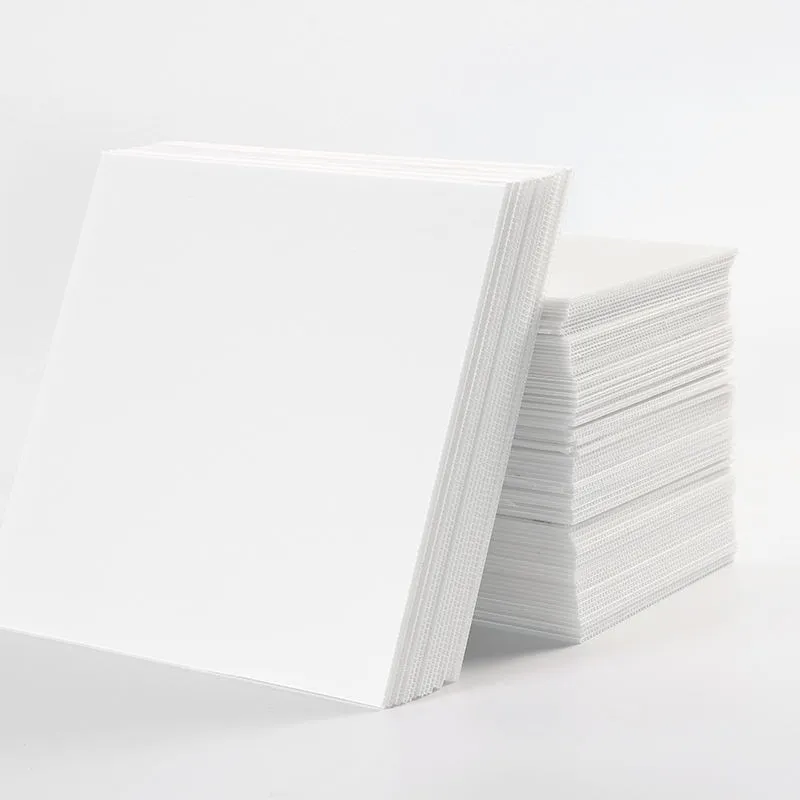
Stone paper is a material primarily manufactured from calcium carbonate (CaCO₃), a mineral commonly found in limestone and other rocks. Most commercial stone paper products contain approximately 60%–80% calcium carbonate combined with 20%–40% polymer resin, typically high-density polyethylene (HDPE) or polypropylene (PP).
Unlike conventional paper, stone paper does not require wood pulp as its primary raw material. As a result, production can reduce dependence on forest resources.
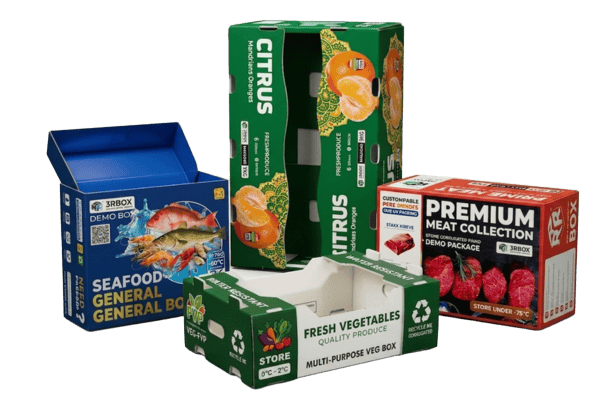
For packaging applications, stone paper packaging is often converted into boxes, containers, and transport packaging used in cold-chain logistics, seafood transportation, and fresh produce distribution.
How Does Stone Paper Differ from Traditional Paper?
The sustainability of any packaging material depends on its entire life cycle, including raw materials, manufacturing, transportation, use, and end-of-life management.
| Factor | Stone Paper | Traditional Paper |
|---|---|---|
| Main Raw Material | Calcium Carbonate + Resin | Wood Pulp |
| Tree Consumption | No wood pulp required | Forest resources required |
| Water Resistance | Naturally waterproof | Requires coatings or treatments |
| Water Usage During Production | Lower | Generally higher |
| Tear Resistance | High | Moderate |
| Recyclability | Depends on local systems | Widely recyclable |
Stone paper’s environmental value largely comes from reducing reliance on timber resources and providing a longer service life in demanding logistics environments.
Environmental Benefits of Stone Paper
Reduced Dependence on Forest Resources
One of the most frequently cited advantages of stone paper is that it does not rely on wood pulp as its primary ingredient.
According to the Food and Agriculture Organization (FAO), forests provide essential ecological functions, including biodiversity conservation, carbon storage, and watershed protection. Reducing demand for virgin fiber can help alleviate pressure on forest ecosystems.
For businesses seeking tree-free packaging alternatives, stone paper offers a practical option.
Lower Water Consumption During Manufacturing
Traditional papermaking involves pulping, washing, bleaching, and drying processes that require substantial amounts of water.
Stone paper production eliminates several of these steps because calcium carbonate does not need to be converted into pulp. As a result, water consumption during manufacturing can be significantly lower compared with conventional paper production.
Water conservation is becoming increasingly important in regions facing industrial water shortages and stricter environmental regulations.
Improved Durability and Reusability
Durability is an often-overlooked component of sustainability.
A packaging material that fails during transportation may lead to product damage, food waste, and additional replacement packaging.
Because stone paper packaging is waterproof, tear-resistant, and suitable for humid environments, it can often withstand transportation conditions that quickly degrade ordinary corrugated paper.
This makes stone paper particularly attractive for:
- Seafood packaging
- Frozen food transportation
- Fresh produce packaging
- Cold chain packaging
- Export logistics
In these applications, longer packaging life can reduce overall material consumption.
Reduced Need for Additional Waterproof Coatings
Traditional paper packaging frequently requires wax, plastic film, or chemical coatings to improve moisture resistance.
Stone paper inherently resists water without requiring many of these additional treatments.
Reducing material complexity may simplify manufacturing and improve packaging performance in wet environments.
Environmental Limitations of Stone Paper
A balanced sustainability assessment must also consider the material’s limitations.
Stone Paper Contains Plastic Resin
Although stone paper uses large amounts of calcium carbonate, it is not entirely plastic-free.
The polymer component serves as a binder that provides flexibility and structural integrity.
Therefore, stone paper should not be confused with biodegradable paper products or compostable packaging materials.
Businesses evaluating sustainability should understand this distinction before making purchasing decisions.
Recycling Infrastructure Varies by Region
Stone paper is technically recyclable, but recycling availability depends on local collection and processing systems.
Many recycling facilities are designed primarily for traditional paper, cardboard, or common plastics.
Before adopting stone paper packaging at scale, companies should verify local recycling capabilities within their target markets.
Not Suitable for Composting
Unlike certified compostable materials, stone paper does not break down through industrial composting systems.
Its environmental value comes from durability, reduced resource consumption, and recyclability rather than compostability.
Is Stone Paper Sustainable for Seafood Packaging?
Seafood transportation presents unique challenges.
Packaging is frequently exposed to:
- Ice
- Saltwater
- Condensation
- Refrigerated environments
Traditional corrugated boxes can absorb moisture and lose structural strength under these conditions.
A stone paper box can maintain its performance in wet environments without requiring wax coatings. This characteristic helps reduce packaging failure and supports more reliable cold-chain transportation.
For seafood exporters, sustainability is not only about material selection but also about minimizing product loss throughout the supply chain.
Is Stone Paper Sustainable for Fruit Packaging?
Fresh fruits and vegetables require packaging that balances ventilation, protection, and moisture resistance.
In export markets, fruits such as:
- Citrus
- Lychee
- Blueberries
- Grapes
- Kiwifruit
often encounter varying temperatures and humidity levels during transportation.
Because fruit packaging boxes made from stone paper are waterproof and durable, they can help maintain packaging integrity throughout logistics operations.
When reusable systems are implemented, environmental benefits may become even more significant.
Stone Paper vs Corrugated Plastic Box
Both stone paper and corrugated plastic are considered alternatives to traditional paper packaging.
Corrugated plastic boxes generally offer:
- Long reuse cycles
- Excellent water resistance
- High durability
Stone paper boxes typically provide:
- Better printability
- Lower mineral resource processing requirements
- Reduced dependence on virgin wood pulp
- Strong sustainability positioning for packaging brands
The optimal solution depends on transportation conditions, reuse frequency, and recycling infrastructure.
Final Verdict: Is Stone Paper Sustainable?
Based on currently available evidence, stone paper can be considered a more sustainable packaging option in specific applications, particularly where moisture resistance, durability, and reduced reliance on forest resources are important.
However, sustainability should be evaluated across the entire product life cycle. Stone paper is not biodegradable, contains polymer resin, and depends on local recycling systems for effective end-of-life management.
For industries such as seafood, frozen foods, and fresh produce logistics, stone paper packaging offers a practical balance between performance and environmental responsibility.
Rather than viewing stone paper as a perfect solution, it is more accurate to see it as one of several innovative materials helping businesses move toward more sustainable packaging systems.
References
- Food and Agriculture Organization (FAO) – Forest Resources Assessment:
https://www.fao.org/forest-resources-assessment - United States Environmental Protection Agency (EPA) – Sustainable Materials Management:
https://www.epa.gov/smm - Sustainable Packaging Coalition:
https://sustainablepackaging.org - European Environment Agency – Resource Efficiency:
https://www.eea.europa.eu
