
Introduction
In modern logistics, agriculture, seafood transportation, and industrial packaging, businesses are increasingly looking for packaging materials that are durable, lightweight, reusable, and resistant to moisture. One packaging solution that meets these requirements is the corrugated plastic box.
Unlike traditional cardboard packaging, corrugated plastic boxes are designed to withstand harsh environments while maintaining structural strength over multiple usage cycles. Their growing popularity across industries reflects the demand for more sustainable and cost-effective packaging solutions.
This article explains what a corrugated plastic box is, how it is manufactured, its advantages, common applications, and how it compares with traditional packaging materials.
What Is a Corrugated Plastic Box?
A corrugated plastic box is a reusable packaging container manufactured from corrugated plastic sheet, commonly made from polypropylene (PP) or polyethylene (PE).
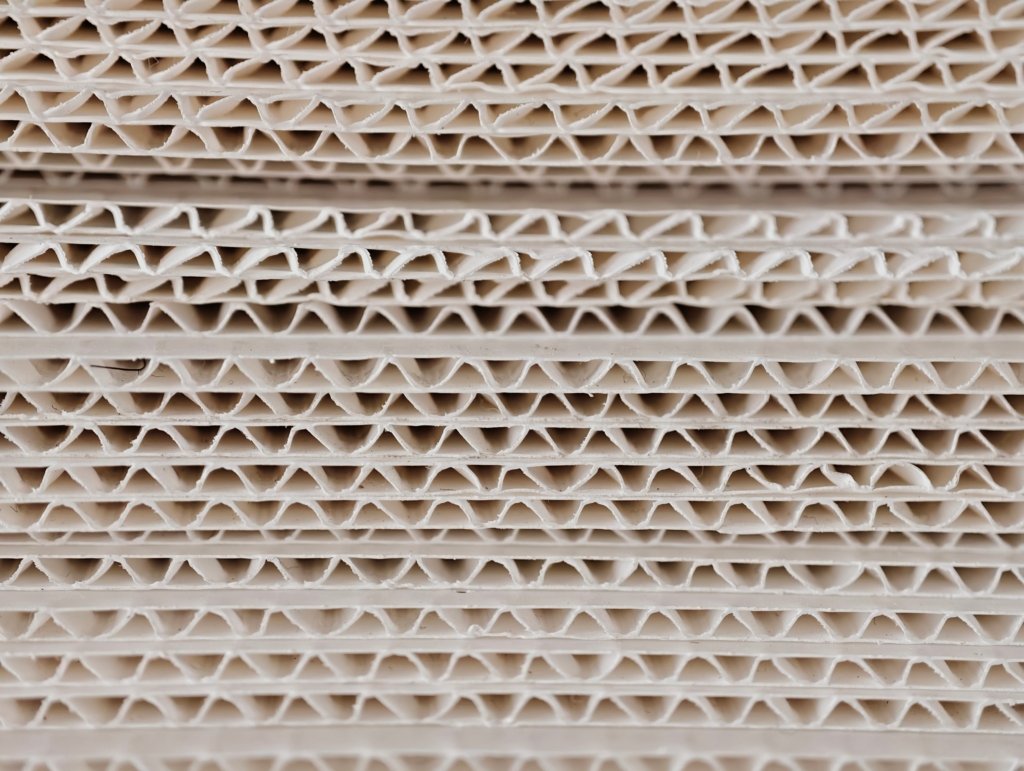
The term “corrugated” refers to the internal fluted structure located between two flat plastic layers. This design creates a lightweight panel while maintaining excellent rigidity and impact resistance.
Structure of Corrugated Plastic Sheet
A standard corrugated plastic sheet consists of:
- Outer flat plastic layer
- Internal hollow flute structure
- Opposite flat plastic layer
The hollow channels reduce weight while improving strength, similar to the engineering principle used in corrugated cardboard.
Because of this structure, corrugated plastic sheets can be converted into various packaging products including:
- Corrugated plastic boxes
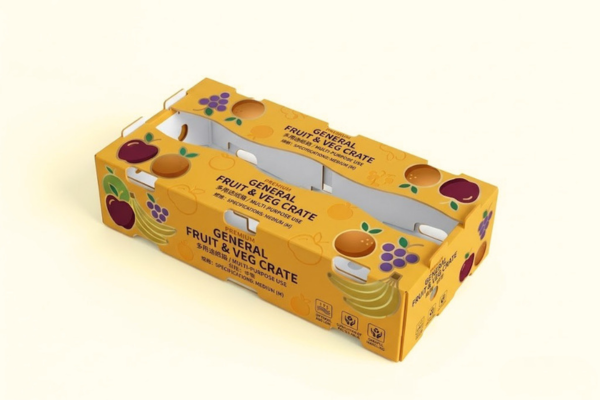
- Produce packaging boxes
- Seafood shipping containers
- Industrial totes
- Layer pads
- Returnable transit packaging
How Are Corrugated Plastic Boxes Made?
The manufacturing process generally involves several stages:
1. Plastic Resin Extrusion
Polypropylene or polyethylene resin is melted and extruded into a twin-wall corrugated sheet structure.
2. Sheet Cooling and Sizing
The material passes through cooling rollers to achieve consistent thickness and flute dimensions.
3. Printing and Surface Treatment
Depending on customer requirements, sheets may receive:
- UV printing
- Silk-screen printing
- Flexographic printing
- Corona treatment for improved ink adhesion
4. Die Cutting and Assembly
The sheets are cut, folded, welded, stitched, or assembled into finished boxes.
This production method allows manufacturers to create custom sizes and designs for specific industries.
Key Advantages of Corrugated Plastic Boxes
Waterproof Performance
One of the most significant advantages is moisture resistance.
Unlike paper-based packaging, corrugated plastic does not absorb water. This makes it particularly suitable for:
- Seafood transportation
- Fresh produce packaging
- Cold-chain logistics
- Outdoor storage
According to the properties of polypropylene materials published by the Plastics Industry Association, polypropylene exhibits excellent moisture resistance and chemical stability.
Lightweight Yet Strong
The hollow flute design provides high strength-to-weight performance.
Benefits include:
- Reduced shipping weight
- Lower transportation costs
- Easier handling
Reusable and Durable
A corrugated plastic box can often be reused dozens or even hundreds of times depending on operating conditions.
This reduces:
- Packaging waste
- Replacement costs
- Total lifecycle expenses
Chemical Resistance
Polypropylene-based corrugated plastic sheets resist many common chemicals including:
- Acids
- Alkalis
- Cleaning agents
This makes them suitable for industrial and agricultural environments.
Easy to Clean
Plastic surfaces can be washed and sanitized, an important feature for:
- Food packaging
- Seafood packaging
- Agricultural supply chains
Common Applications of Corrugated Plastic Boxes
Fruit and Vegetable Packaging
Fresh produce requires packaging that can tolerate:
- Moisture
- Temperature fluctuations
- Repeated handling
Common applications include:
- Citrus packaging boxes
- Grape packaging boxes
- Lychee packaging boxes
- Broccoli packaging boxes
Seafood Packaging
Seafood transportation often involves ice, water, and long shipping distances.
Corrugated plastic boxes help maintain package integrity throughout the supply chain.
Commonly used for:
- Salmon
- Tuna
- Shrimp
- Lobster
- Crab
Industrial Packaging
Manufacturers use corrugated plastic boxes for:
- Automotive components
- Electronic parts
- Machinery components
- Warehouse storage
Returnable Transit Packaging
Many companies adopt reusable packaging systems to reduce disposable packaging consumption.
Corrugated plastic boxes are frequently integrated into:
- Closed-loop logistics
- Distribution centers
- Manufacturing facilities
Corrugated Plastic Box vs Cardboard Box
| Feature | Corrugated Plastic Box | Corrugated Cardboard Box |
|---|---|---|
| Water Resistance | Excellent | Poor |
| Reusability | High | Limited |
| Durability | Excellent | Moderate |
| Weight | Lightweight | Lightweight |
| Washable | Yes | No |
| Cold Storage Performance | Excellent | Limited |
| Initial Cost | Higher | Lower |
| Long-Term Cost | Lower | Higher |
While cardboard remains a cost-effective option for one-time shipments, corrugated plastic often delivers better value in reusable and moisture-sensitive applications.
Are Corrugated Plastic Boxes Sustainable?
Sustainability depends on the entire product lifecycle.
Although plastic originates from petrochemical resources, reusable corrugated plastic packaging can significantly reduce packaging consumption when used repeatedly.
The concept aligns with circular economy principles promoted by organizations such as the United Nations Environment Programme (UNEP).
Additionally, polypropylene corrugated sheets are recyclable in many regions where PP recycling infrastructure exists.
How to Choose the Right Corrugated Plastic Box
When selecting a packaging solution, consider:
Product Weight
Heavier products may require:
- Thicker sheets
- Reinforced designs
Storage Conditions
Evaluate exposure to:
- Water
- Humidity
- UV radiation
- Freezing temperatures
Transportation Method
Consider whether the box will be:
- Exported internationally
- Stored in cold rooms
- Used in automated warehouses
Printing Requirements
Custom branding can be added through:
- UV printing
- Screen printing
- Full-color graphics
Future Trends in Corrugated Plastic Packaging
Several trends continue driving adoption:
Growth of Reusable Packaging Systems
Businesses increasingly seek packaging that can be reused across multiple shipping cycles.
Expansion of Cold Chain Logistics
The global growth of seafood and fresh produce exports increases demand for moisture-resistant packaging.
Sustainability Initiatives
Companies are focusing on reducing packaging waste through longer-lasting transport containers.
Custom Branding
High-quality printing capabilities enable packaging to serve both logistics and marketing functions.
Conclusion
A corrugated plastic box is a durable, lightweight, waterproof packaging solution manufactured from corrugated plastic sheet. Its combination of strength, reusability, moisture resistance, and customization options makes it suitable for industries ranging from agriculture and seafood to manufacturing and logistics.
As supply chains increasingly prioritize sustainability and operational efficiency, corrugated plastic packaging continues to gain attention as a practical alternative to traditional cardboard containers.
