
Introduction
Selecting reliable corrugated plastic box suppliers is a critical decision for companies involved in export logistics, cold chain transportation, agriculture, seafood packaging, and industrial distribution. The performance of a corrugated plastic box directly affects product safety during long-distance shipping, especially in humid, frozen, or high-impact environments.
Unlike traditional paper-based packaging, corrugated plastic materials are engineered from polypropylene (PP) sheets with a hollow structure that provides higher durability and moisture resistance. However, the quality of a corrugated plastic box depends heavily on the supplier’s manufacturing capability, material control, and export experience.
This guide explains how to evaluate suppliers systematically based on verified technical and industrial standards.
What Is Corrugated Plastic?
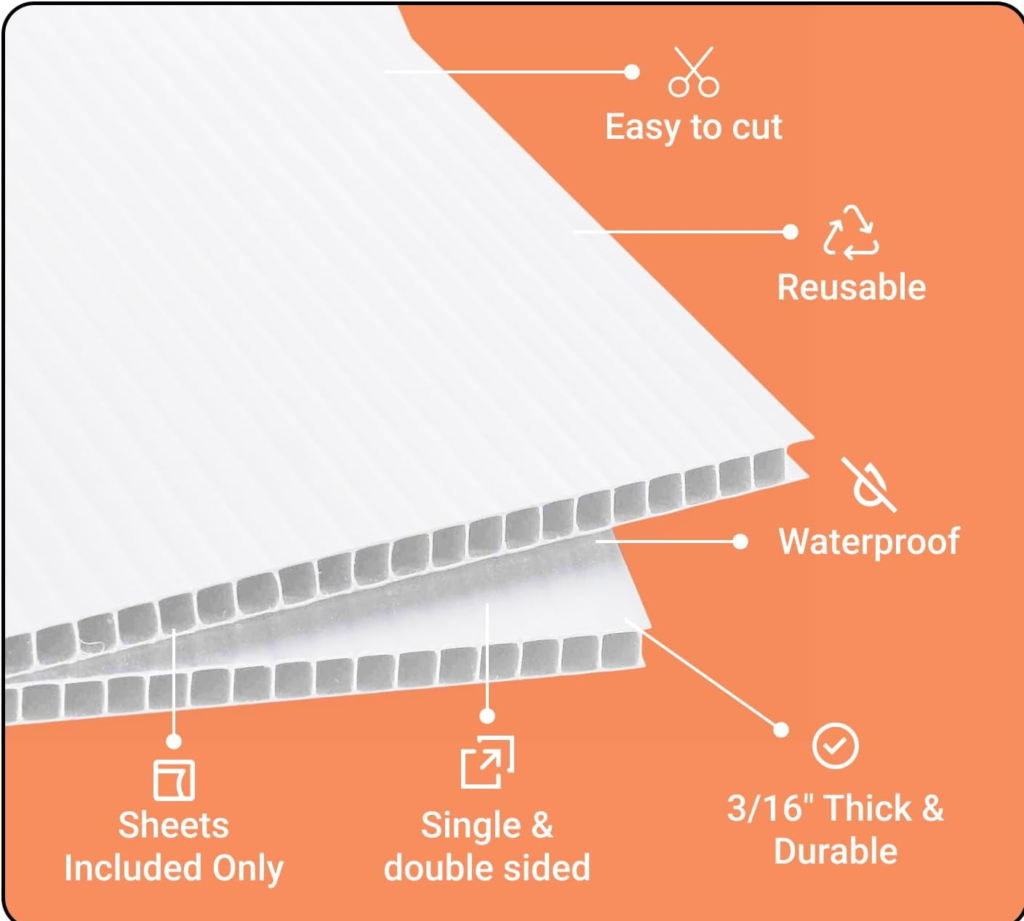
Corrugated plastic refers to twin-wall plastic sheets typically made from polypropylene (PP) or polyethylene (PE). The structure consists of two flat surfaces connected by internal ribs, creating a lightweight yet strong board.
According to material standards described by polymer manufacturers, PP-based corrugated sheets are widely used due to:
- High impact resistance
- Moisture and water resistance
- Chemical stability
- Lightweight structure
- Reusability in logistics systems
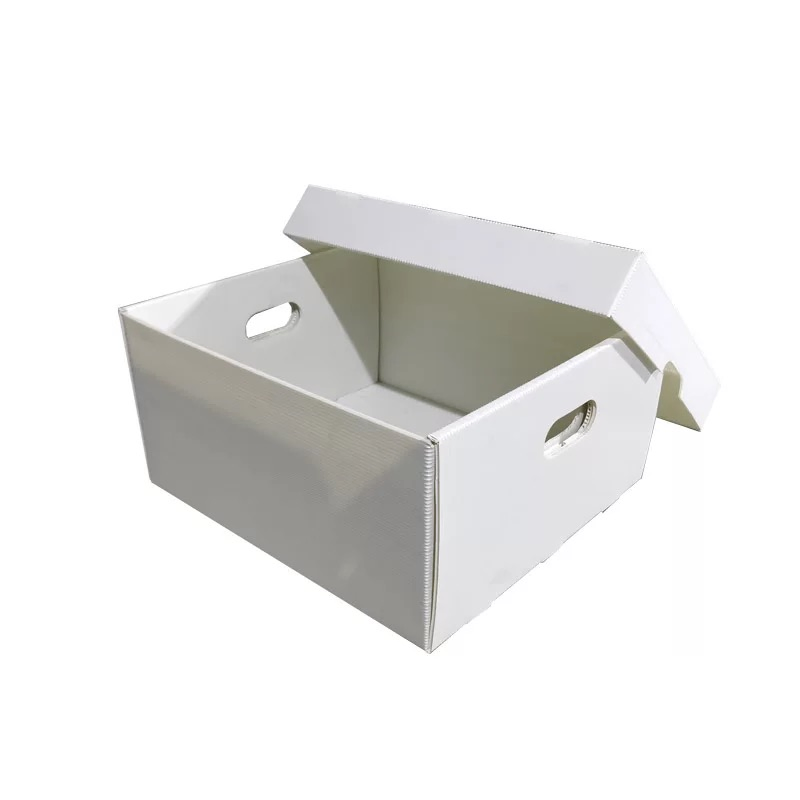
Because of these properties, corrugated plastic box products are widely used in export packaging and reusable logistics containers.
Why Corrugated Plastic Boxes Are Used in Export Packaging
Export packaging requires materials that can withstand long transit times and variable environmental conditions.
A corrugated plastic box is commonly used because:
1. Moisture Resistance
Unlike cardboard, corrugated plastic does not absorb water. This is essential for seafood, fruit, and refrigerated logistics.
2. Structural Stability
The ribbed structure maintains compressive strength under stacking pressure during container shipping.
3. Reusability
Many supply chains reuse corrugated plastic box packaging multiple times, reducing long-term packaging costs.
4. Temperature Adaptability
PP-based materials perform well in cold-chain environments where temperatures fluctuate.
Key Factors to Evaluate Corrugated Plastic Box Suppliers
When selecting corrugated plastic box suppliers, buyers should assess multiple technical and operational dimensions.
1. Raw Material Quality
High-quality corrugated plastic depends on virgin or controlled recycled polypropylene resin.
Key indicators include:
- Sheet density consistency
- Impact resistance under low temperature
- Thickness tolerance control
Low-quality materials often fail under stacking pressure or cold storage conditions.
2. Manufacturing Capability
Professional corrugated plastic box suppliers should have:
- Sheet extrusion lines
- Die-cutting equipment
- Welding or folding systems
- Printing systems (UV or flexographic)
These capabilities ensure stable mass production for export orders.
3. Customization Ability
A qualified supplier should support OEM/ODM services such as:
- Custom box dimensions
- Structural engineering design
- Ventilation hole design for fresh produce
- Branding and logo printing
Customization is essential for industries like seafood and fruit export packaging.
4. Quality Control Systems
Reliable suppliers typically implement standardized quality control systems aligned with international manufacturing practices such as ISO-based production management.
5. Export Experience
Export-ready corrugated plastic box suppliers understand:
- Container loading optimization
- Moisture protection during shipping
- Packaging reinforcement requirements
- International documentation procedures
Without export experience, packaging failure rates significantly increase during long-distance logistics.
Printing Options for Corrugated Plastic Boxes
Branding is an important factor in global supply chains.
Common printing methods include:
Flexographic Printing
Suitable for large-volume orders with simple graphics.
UV Printing
Used for high-resolution branding and durable surface finish.
Screen Printing
Applied for industrial labeling and basic logo marking.
Printing quality directly affects the visual identity of a corrugated plastic box in retail and distribution channels.
Applications of Corrugated Plastic Boxes
A corrugated plastic box is widely used in:
- Seafood export packaging
- Fruit and vegetable logistics
- Industrial component storage
- Automotive parts packaging
- Cold chain transportation
Its versatility makes it a preferred solution in modern logistics systems.
MOQ, Lead Time, and Supply Chain Considerations
When working with corrugated plastic box suppliers, MOQ is typically influenced by:
- Sheet thickness
- Box structure complexity
- Printing requirements
- Custom tooling needs
Production lead time includes:
- Design confirmation
- Sample approval
- Mass production
- Packaging and export preparation
Proper planning ensures stable supply chain performance.
Export Standards and Shipping Considerations
Export packaging must comply with global logistics requirements.
A corrugated plastic box is usually shipped flat-packed to improve container efficiency.
Key export considerations include:
- Pallet stacking stability
- Moisture protection during transit
- Load-bearing calculation
- Customs documentation accuracy
How to Select the Right Corrugated Plastic Box Suppliers
The most reliable corrugated plastic box suppliers are not only manufacturers but also packaging solution providers.
A strong supplier should offer:
- Engineering design support
- Stable material sourcing
- Export logistics experience
- Consistent quality control
- Custom branding solutions
This ensures long-term reliability in international supply chains.
Conclusion
Choosing the right corrugated plastic box suppliers requires a balanced evaluation of material quality, manufacturing capability, customization services, and export experience.
A well-designed corrugated plastic box can significantly improve product protection, reduce logistics risks, and enhance brand presentation in global markets.
For businesses involved in seafood, fruit, or industrial exports, selecting the right supplier is not only a procurement decision—it is a supply chain strategy.
