
Understanding Calcium Plastic Packaging for Cold Chain and Export Industries
As global packaging industries continue to move toward reusable, moisture-resistant, and durable materials, the calcium plastic box has become an increasingly common solution in agricultural export, seafood logistics, cold chain transportation, and industrial packaging.
Unlike traditional corrugated paper boxes, calcium plastic boxes are designed to withstand wet environments, repeated handling, and low-temperature logistics conditions. They are widely used in sectors where packaging strength and moisture resistance are critical.
This article explains what a calcium plastic box is, how it is manufactured, where it is used, and why it has become an important packaging option in modern supply chains.
What Is a Calcium Plastic Box?
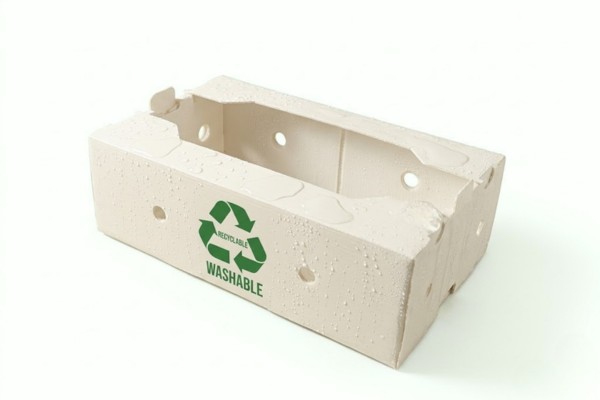
A calcium plastic box is a type of reusable packaging container made primarily from polyethylene(PE) resin blended with calcium carbonate (CaCO3) mineral filler.
The material is typically processed into corrugated plastic sheets or hollow structural boards, which are then converted into boxes for packaging and transportation purposes.
Because calcium carbonate is added into the plastic formulation, the material gains improved rigidity, dimensional stability, and cost efficiency compared with pure plastic sheets.
In industrial packaging applications, calcium plastic boxes are commonly used for:
- Seafood transportation
- Fruit and vegetable export
- Frozen food logistics
- Industrial component packaging
- Cold chain distribution
- Waterproof shipping applications
Main Materials Used in Calcium Plastic Boxes
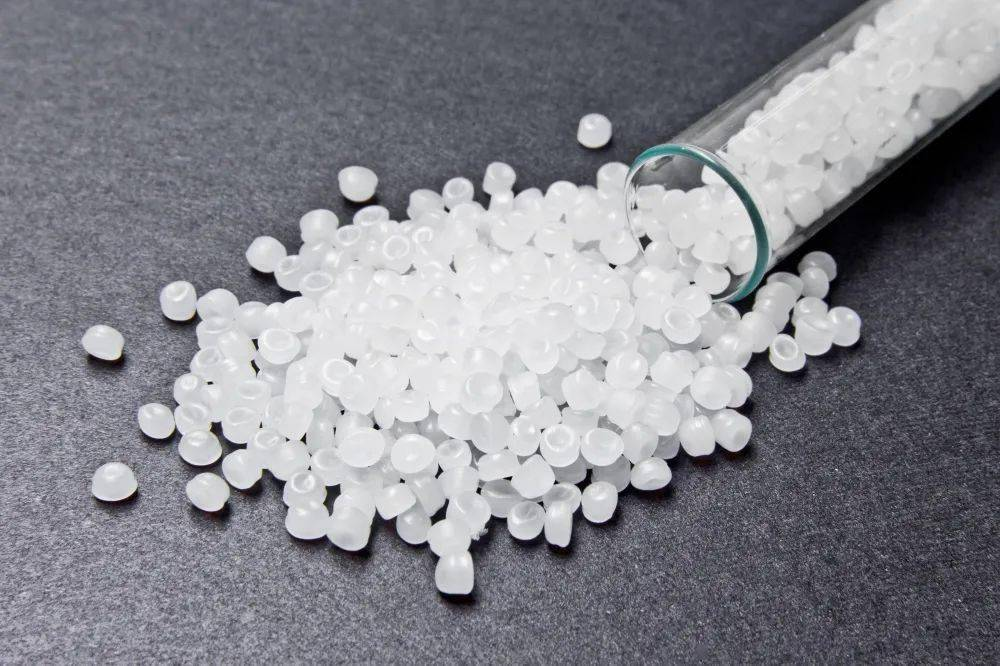
Polyethylene (PE)
Polyethylene is the primary polymer used in most calcium plastic packaging products.
It is valued for:
- Moisture resistance
- Chemical resistance
- Flexibility
- Lightweight performance
- Recyclability
According to the Plastics Industry Association,Polyethylene is one of the most widely used thermoplastics in industrial packaging applications.
Calcium Carbonate (CaCO3)
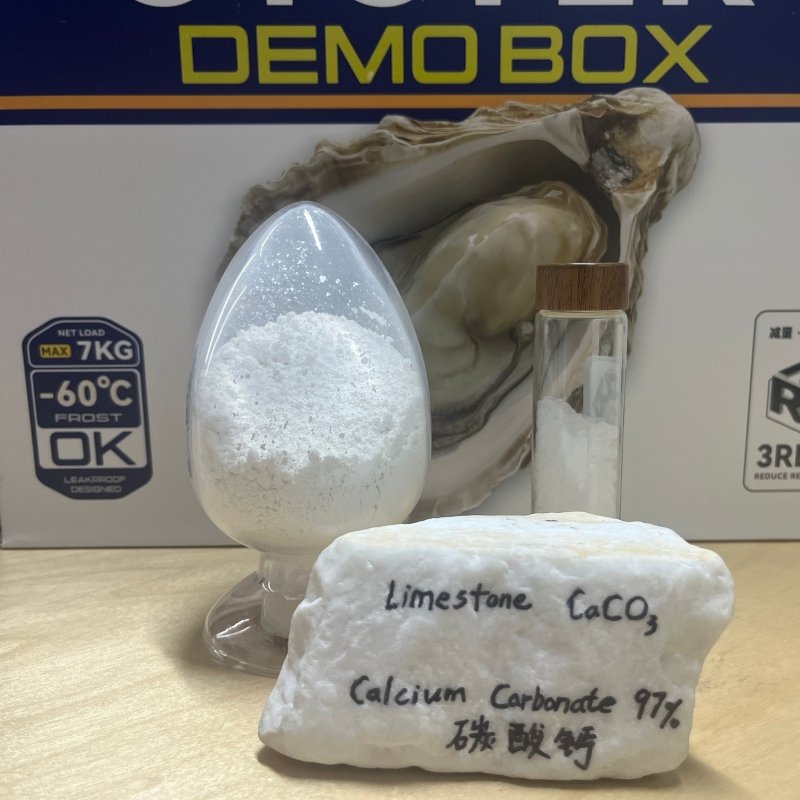
Calcium carbonate is a naturally occurring mineral commonly used as a filler in plastic manufacturing.
Its functions include:
- Increasing stiffness
- Reducing raw material cost
- Improving dimensional stability
- Enhancing printability in some applications
Calcium carbonate is widely used in plastic compounds across multiple industries, including packaging and construction materials.
How Is a Calcium Plastic Box Manufactured?
The manufacturing process generally includes several stages.
1. Material Compounding
Polypropylene resin and calcium carbonate powder are blended together with additives.
The exact formulation depends on:
- Required strength
- Temperature resistance
- Printing needs
- Reusability targets
2. Extrusion
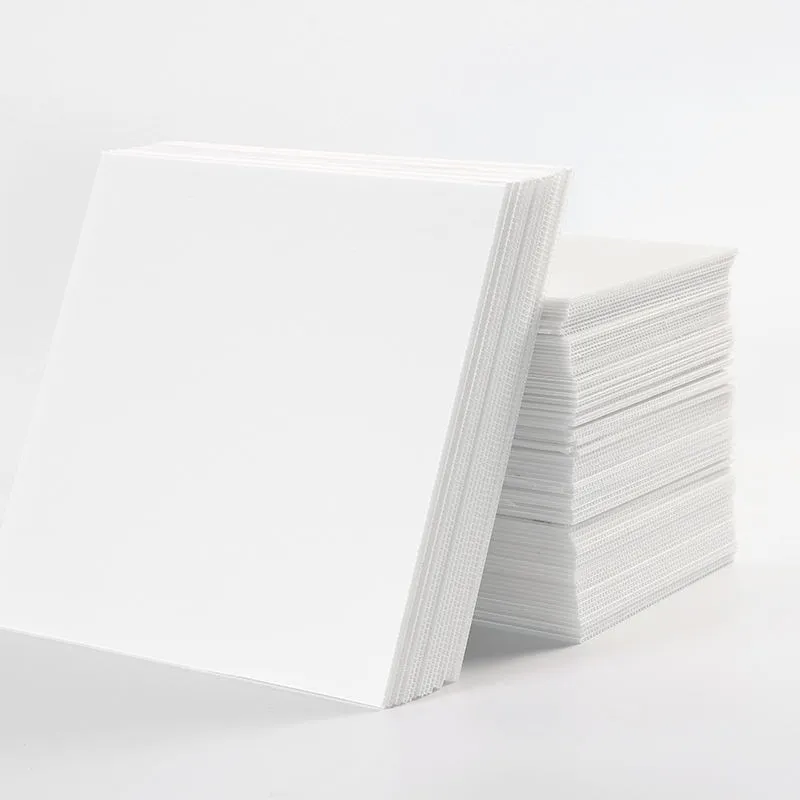
The material mixture is melted and extruded into hollow plastic sheets or corrugated plastic boards.
This structure creates:
- Lightweight performance
- Compression strength
- Water resistance
3. Sheet Conversion
The sheets are cut, folded, welded, or riveted into finished packaging boxes.
Additional features may include:
- Ventilation holes
- Handle designs
- Waterproof coatings
- Custom printing
- Stackable structures
Key Advantages of Calcium Plastic Boxes
Excellent Moisture Resistance
One of the biggest advantages of calcium plastic packaging is its ability to resist water absorption.
Unlike traditional corrugated paper packaging, calcium plastic materials do not soften easily in humid or cold chain environments.
This makes them suitable for:
- Seafood packaging
- Ice-packed transportation
- Refrigerated logistics
- Wet agricultural products
High Durability
Calcium plastic boxes are designed for repeated use in many industrial applications.
Compared with disposable corrugated cartons, reusable plastic packaging can reduce packaging replacement frequency in closed-loop logistics systems.
Lightweight Structure
Although the material provides strong compression performance, the hollow structure keeps the overall weight relatively low.
This helps reduce transportation costs in export logistics.
Suitable for Cold Chain Packaging
Low-temperature environments can weaken some paper-based packaging materials.
Calcium plastic boxes are commonly used in cold storage and frozen transportation because they maintain structural stability under refrigerated conditions.
Common Applications of Calcium Plastic Boxes
Seafood Export Packaging
Seafood exporters frequently require packaging that can tolerate:
- Moisture
- Ice contact
- Long-distance transportation
- Cold storage conditions
Calcium plastic boxes are widely used in fish, shrimp, shellfish, and tuna transportation.
Fruit and Vegetable Packaging
Fresh produce packaging often requires airflow, moisture resistance, and stacking strength.
Common applications include:
- Citrus packaging
- Grape packaging
- Broccoli packaging
- Lychee export packaging
Industrial and Automotive Packaging
Reusable calcium plastic containers are also used for industrial parts logistics.
Their lightweight structure and reusability make them suitable for factory circulation systems.
Calcium Plastic Box vs Corrugated Paper Box
Water Resistance
Calcium plastic boxes perform significantly better in wet environments because plastic materials do not absorb moisture like paper fibers.
Reusability
Traditional corrugated cartons are usually designed for limited-use transportation.
Calcium plastic packaging can often be reused multiple times depending on handling conditions.
Printing and Branding
Corrugated paper generally offers broader high-resolution printing flexibility.
However, calcium plastic sheets can also support customized printing and labeling for industrial branding purposes.
Sustainability Considerations
The environmental performance of packaging materials depends on:
- Reusability
- Recycling systems
- Transportation efficiency
- Material recovery infrastructure
Reusable packaging systems may reduce packaging waste generation in some logistics operations.
However, actual sustainability outcomes vary by region and recycling capability.
For broader information about sustainable packaging systems, the United Nations Environment Programme provides additional environmental resources.
Are Calcium Plastic Boxes Recyclable?
Many calcium plastic packaging products are technically recyclable because polypropylene materials can enter plastic recycling streams where facilities are available.
However, recyclability depends on:
- Local recycling infrastructure
- Material contamination
- Regional waste management systems
Packaging companies should verify local recycling capabilities before making environmental claims.
Why Are Calcium Plastic Boxes Popular in Export Logistics?
Export supply chains require packaging materials that can tolerate:
- Long transportation times
- Humidity fluctuations
- Container condensation
- Cold chain environments
- Repeated loading and unloading
Because of these requirements, calcium plastic packaging has become increasingly common in:
- Agricultural exports
- Seafood transportation
- Frozen food distribution
- Industrial logistics systems
Future Trends in Calcium Plastic Packaging
As global industries continue exploring reusable and moisture-resistant packaging systems, calcium plastic boxes are expected to remain important in sectors requiring durability and cold chain compatibility.
Future developments may focus on:
- Improved recycling systems
- Lightweight material optimization
- Reusable logistics models
- Smart packaging integration
- Sustainable packaging certifications
Conclusion
A calcium plastic box is a durable packaging solution manufactured from polypropylene and calcium carbonate materials.
Its moisture resistance, lightweight structure, and cold chain performance make it widely used in seafood export, fruit packaging, frozen logistics, and industrial transportation.
Although it is not a direct replacement for every packaging material, calcium plastic packaging offers practical advantages in environments where durability and water resistance are essential.
As packaging industries continue to prioritize reusable logistics and operational efficiency, calcium plastic boxes are likely to remain a key packaging option for global supply chains.
FAQ
What is a calcium plastic box made of?
Most calcium plastic boxes are manufactured using polypropylene resin mixed with calcium carbonate mineral filler.
Are calcium plastic boxes waterproof?
They are highly moisture-resistant and commonly used in wet logistics environments such as seafood transportation and cold chain packaging.
Can calcium plastic boxes be recycled?
Many products are technically recyclable depending on local recycling infrastructure and waste management systems.
What industries use calcium plastic boxes?
Common industries include seafood export, fruit packaging, frozen food logistics, agriculture, and industrial transportation.
Are calcium plastic boxes reusable?
Many calcium plastic packaging systems are designed for repeated use in industrial and closed-loop logistics operations.
