
Introduction
Waterproof packaging boxes play a critical role in industries such as seafood export, fresh produce logistics, frozen food transportation, and cold chain shipping. Unlike traditional corrugated cartons, waterproof packaging must maintain structural strength even under high humidity, condensation, ice exposure, or direct water contact.
For importers, distributors, and packaging buyers, understanding how to properly test waterproof packaging boxes is essential for ensuring product safety and transportation reliability.
This guide explains the most common testing methods, industry standards, and performance indicators used to evaluate waterproof packaging boxes.
Why Waterproof Packaging Testing Matters
Packaging failure during transportation can lead to:
- damaged products
- collapsed cartons
- moisture contamination
- cold chain interruptions
- increased shipping costs
Industries that rely heavily on waterproof packaging include:
- seafood export
- fresh produce packaging
- frozen food logistics
- pharmaceutical cold chain transport
- reusable shipping systems
Testing helps buyers verify whether packaging can withstand:
- water exposure
- humidity
- refrigeration
- freezing temperatures
- stacking pressure during transport
Common Types of Waterproof Packaging Boxes
Several packaging materials are designed for moisture resistance:
| Packaging Type | Waterproof Performance |
|---|---|
| Wax-coated corrugated boxes | Moderate |
| Plastic corrugated boxes | High |
| Stone paper packaging boxes | Excellent |
| HDPE reusable crates | Excellent |
| Laminated export cartons | Moderate to High |
Among these options, stone paper packaging has become increasingly popular because it combines waterproof performance with recyclability and reusable design.
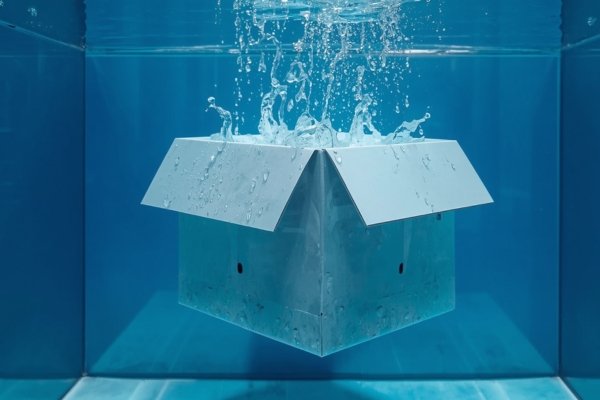
1. Water Immersion Test
The water immersion test evaluates whether a packaging box can maintain structural integrity after direct water exposure.
Testing Method
The packaging box is:
- assembled normally
- submerged partially or fully in water
- tested for a specific period
Common testing durations:
- 30 minutes
- 2 hours
- 24 hours
- 48 hours
Evaluation Criteria
After immersion, inspectors check for:
- softening
- layer separation
- deformation
- tearing
- collapse
A high-quality waterproof packaging box should remain structurally stable even after prolonged exposure.
2. Moisture Resistance Test
Humidity resistance is especially important for refrigerated logistics and cold storage environments.
Testing Environment
Packaging boxes are placed in:
- humidity chambers
- refrigerated warehouses
- condensation simulation environments
Typical conditions:
- humidity above 90%
- temperature between 0–4°C
Key Performance Indicators
The box should maintain:
- compression strength
- shape stability
- folding performance
- print quality
This test is critical for:
- seafood boxes
- fruit packaging
- frozen shrimp cartons
- salmon export packaging
3. Compression Strength Test
Waterproof packaging must also withstand stacking pressure during transportation.
Box Compression Test (BCT)
The box is placed under a compression testing machine that measures maximum load capacity.
Typical Requirements
| Packaging Application | Compression Target |
|---|---|
| Produce packaging | 150–250 kg |
| Seafood export boxes | 250–400 kg |
| Heavy-duty reusable boxes | 400 kg+ |
Packaging exposed to moisture often loses strength. Waterproof packaging materials should retain compression performance even in wet conditions.
4. Low Temperature Resistance Test
Cold chain logistics require packaging that can perform in freezing conditions.
Testing Procedure
Packaging boxes are stored at:
- -18°C
- -25°C
Then evaluated for:
- cracking
- brittleness
- fold damage
- structural weakening
High-performance waterproof packaging should remain flexible and durable after freezing.
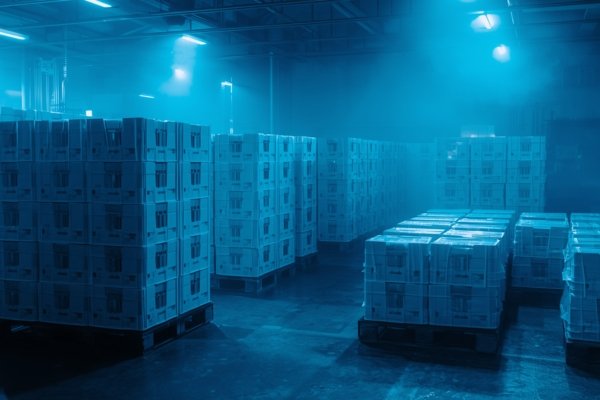
5. Leak Resistance Test
Leak resistance is essential for seafood and ice-packed shipments.
Common Test Methods
Boxes are filled with:
- water
- crushed ice
- gel ice packs
Inspectors then monitor:
- leakage
- bottom weakening
- edge failure
This test helps ensure packaging reliability during long-distance export transportation.
6. Reusability and Durability Testing
Reusable waterproof packaging boxes must survive repeated handling cycles.
Durability Testing Includes
- repeated folding
- stacking cycles
- transportation simulation
- drop testing
Reusable packaging should maintain performance after multiple uses without significant deformation.
Industry Standards for Waterproof Packaging Testing
Professional buyers often request compliance with recognized testing standards.
Common standards include:
These standards help buyers verify packaging quality and export suitability.
How Buyers Choose Waterproof Packaging Suppliers
When sourcing waterproof packaging, professional buyers typically request:
- waterproof test reports
- compression test reports
- thickness specifications
- GSM data
- food-grade certifications
- export experience
Reliable suppliers should also provide:
- custom sizes
- custom printing
- pallet optimization
- cold chain packaging expertise
Why Stone Paper Packaging Performs Well in Waterproof Testing
Compared with traditional corrugated cartons, stone paper packaging offers several advantages:
- does not absorb water
- maintains strength under humidity
- resistant to cold chain condensation
- reusable and foldable
- suitable for seafood and frozen logistics
This makes stone paper packaging increasingly popular for export industries requiring durable waterproof transportation boxes.
Conclusion
Testing waterproof packaging boxes is essential for ensuring transportation safety, product protection, and export reliability.
Key tests include:
- water immersion testing
- humidity resistance testing
- compression strength testing
- low temperature testing
- leak resistance testing
For industries such as seafood export, fresh produce logistics, and reusable shipping, choosing properly tested waterproof packaging can significantly reduce product damage and logistics risk.
As sustainable packaging demand continues to grow, waterproof materials such as stone paper packaging are becoming a reliable alternative to traditional corrugated boxes.
